

The Blog
Latest Articles

Does Estradiol Make an Existing Breast Cancer Grow? What I Found When I Followed the Evidence From the Petri Dish to Real Women
"Even a drop of estrogen could feed your cancer."
I hear some version of this almost every week. A woman tells me she was handed this sentence at diagnosis, or at a follow-up visit, or when she asked about help for hot flashes, sleep, joint pain, or vaginal dryness. Sometimes she was told it years after her breast cancer treatment ended. Often it was said with total certainty.
That sentence carries a lot of weight. It shapes decisions women make for decades. It can mean living for decades without a hormone that helps run your bones, brain, heart, blood vessels, metabolism, and immune system. So I think it is fair to ask a simple question: where is the proof?
Ki-67 Went Down. So What? What This Number Can and Can’t Tell You About Breast Cancer
Lately I keep hearing the same sentence from women who had DCIS or are at an increased risk for breast cancer: “Well, I’m on Duavee.”
When I ask why, the answer usually traces back to one study and one number. The number is Ki-67. It went down, so the drug must be safe. Maybe even protective.
I understand why that feels reassuring. But a drop in Ki-67 is not the same as a cancer that shrinks, stays away, or never comes back. And if medicine is going to use Ki-67 to steer decisions for women, it has to use it the same way every time.
So let’s talk about what Ki-67 actually is, what it can tell us, and where medicine has stretched it further than the evidence goes.
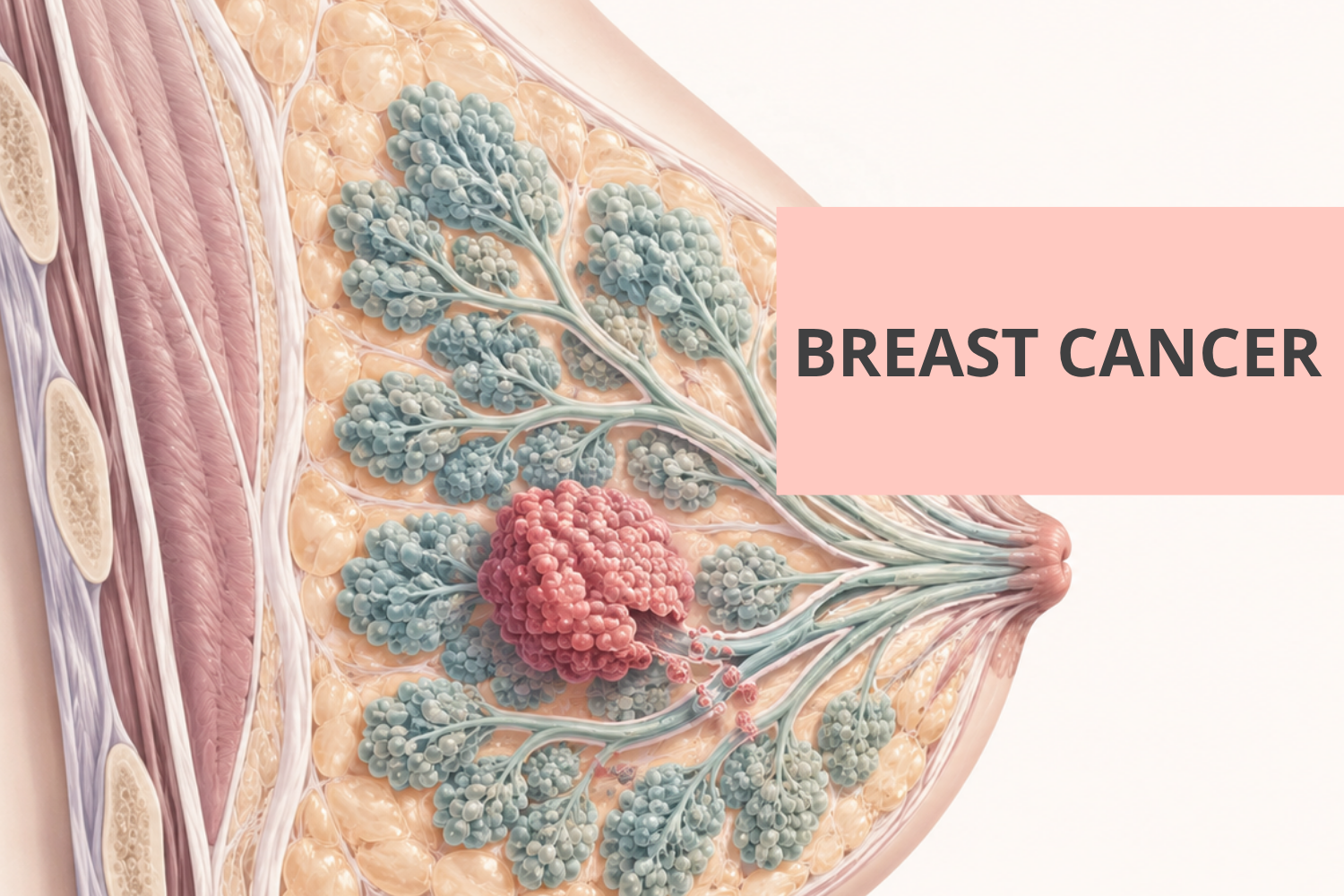
Besides Endocrine Therapy, What Are My Options? Start With Why the Cancer Grew in the First Place
Every week, the same question shows up in my comments, emails and my DMs. It comes in a hundred different versions, but it always lands in the same place.
“What do I do if I don’t want to take endocrine therapy?”
Many of them have already started the medication, felt their joints lock up, and their brain go foggy, and are wondering if this is really what the next five to ten years have to look like. And almost all of them have been told some version of the same thing: if you stop, the cancer will come back.
I want to address that question honestly. But I can’t answer it without first changing the question. Because I think the way we’ve been taught to think about breast cancer is far too small.

Could There Be Another Explanation? Rethinking Estrogen, Endocrine Therapy, and Breast Cancer
I have been fascinated by the work of Dr. Zsuzsanna Suba for several years. Not because her ideas are mainstream. They are not.
I kept reading her papers because the more I learned about estrogen, the harder it became for me to believe that its only important job in breast cancer is to make cells grow.
Estrogen matters all over the body. It matters in the brain, bones, blood vessels, muscles, skin, vagina, vulva, bladder, metabolism, and immune system.
It also matters inside our cells.

Nobody Has Watched It Happen: What We Really Know About Cancer Cells “Waking Up”
Every week, I hear some version of the same fear from women who have been treated for breast cancer.
“There could be a cell left in me. If I take estrogen, it will wake up.”
Sometimes it comes up when we talk about testosterone.
“But what if some of it converts to estrogen? Could that wake something up?”
And there it is again. The fear that even a drop of estrogen could bring the cancer back.
Someone she trusts has explained it this way, and that explanation stays with her. Now, even thinking about a hormone that might help her feel better comes with a frightening question: could I be putting myself in danger?

The Minority Benefit: Why Hormone Blockers Help Some Women but Fail Many
For as long as I have worked in women’s health, I have heard the same script. Estrogen “feeds” breast cancer. The safest thing we can do is block it, hard and for as long as possible. Aromatase inhibitors, tamoxifen, and the other endocrine drugs are framed as our best hope.
A woman finishes five years of endocrine therapy. She did everything that her oncology team told her to do. She took the pill every day. She lived with the hot flashes, the aching joints, the foggy brain, the sleepless nights. She was told this treatment would lower her chance of the cancer returning.
And then, years later, it comes back anyway.
I hear this story more often than most women are ever told to expect. And when it happens, the question we ask is almost always the wrong one. We ask…..
Search the Blog
- 1-MINUTE READ 2
- BRCA 2
- BREAST CANCER 13
- BREAST HEALTH 10
- CARDIOVASCULAR HEALTH 2
- DUAVEE 1
- ENDOCRINE THERAPY 6
- ESTROGEN 11
- GENETICS 1
- GUT ISSUES 2
- HEALTHY LIFESTYLE 11
- HORMONE REPLACEMENT THERAPY 8
- HORMONE TESTING 4
- HORMONES 17
- HRT 2
- INTERVIEW 5
- MENOPAUSE 19
- MENOPAUSE SYMPTOMS 14
- NUTRITION 9
- PEPTIDES 3
- PERIMENOPAUSE 16
- PERIOD HEALTH 4
- PROGESTERONE 11
- PROGESTINS 1
- SKINCARE 1
- SLEEP 1
- TESTOSTERONE 2
- THE BIRTH CONTROL PILL 2
Wondering what to expect during perimenopause and menopause?
Download the FREE Pausal Timeline so that you know what to expect during the perimenopausal and menopausal years.
And receive The Peri to Menopause Monthly Round-Up —a newsletter for busy pausal women