

The Blog
Latest Articles
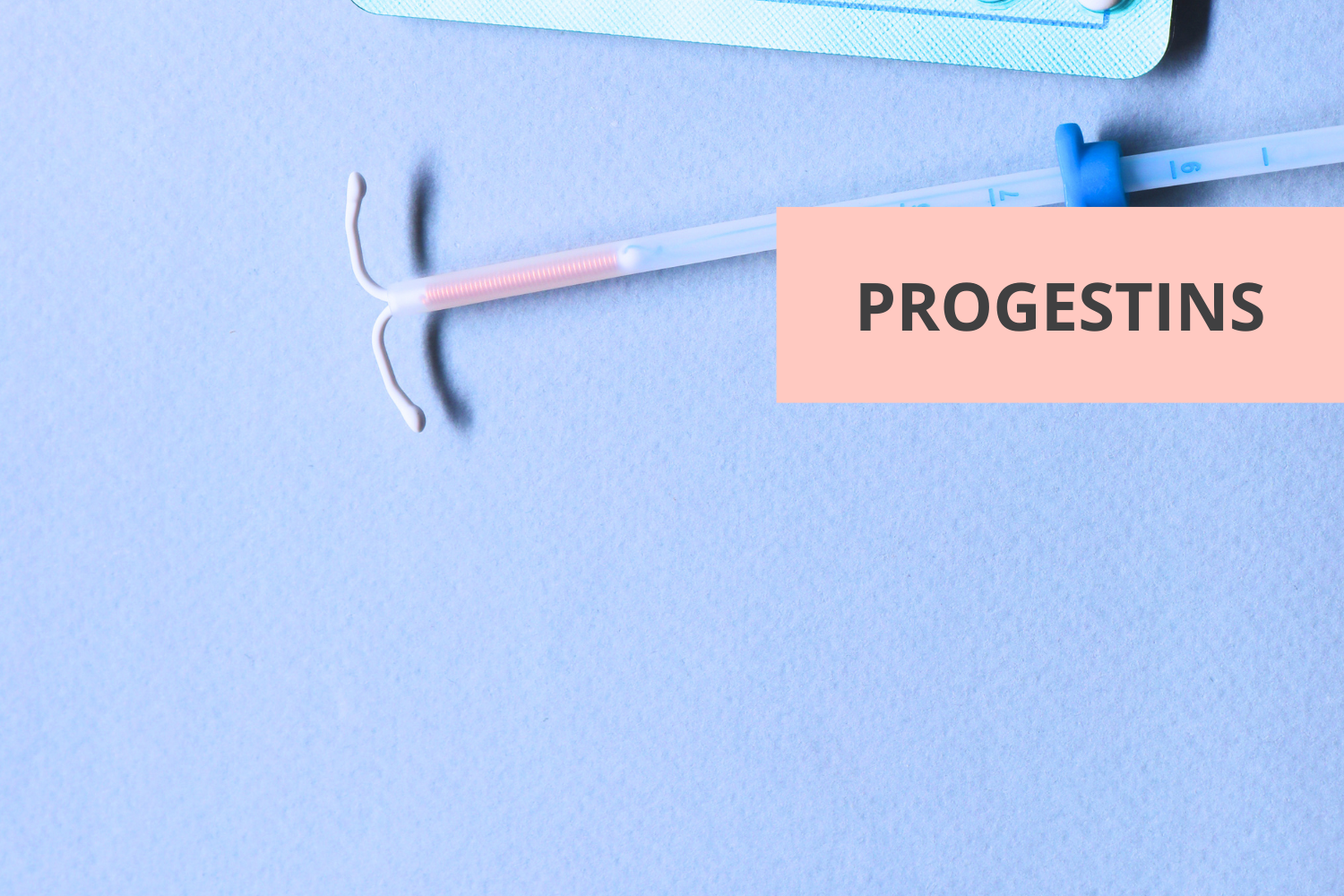
Why Not All Progestins Are Created Equal — And Why I Am Cautious About the Pill and the Hormonal IUD
If you have been told that "the pill is safe," or that the hormonal IUD is just a tiny, local dose, you are not alone. Most women hear some version of this. And for some women, the pill or the IUD really may be the right tool. But there is a longer conversation that does not always make it into the visit.

Estrogen replacement therapy: Which type is best?
Confused about which type of estrogen replacement therapy is best? You are not alone. It's a hot topic in the world of menopause medicine.
If you were to survey menopause practitioners from around the globe and ask them their preferred type of estrogen replacement therapy, you'd get many different answers. That’s because practitioners who prescribe hormone replacement therapy (HRT) come from various training backgrounds and have vastly different experiences treating patients with HRT.

The Truth About Estrogen, Breast Cancer, and Hormone Therapy: What the Latest Research Reveals
No one knows for sure what causes breast cancer to develop, although cancer stem cells (a kind of cell that has nothing to do with estrogen) are thought to play a role. Cancer causes are complex and related to many issues including inflammation, stress, exposure to radiation, viruses, chemicals, and other factors.

Peptides & Healthy Aging: Replacing What We Lose to Live Better, Longer
Peptides are rapidly emerging as a major tool for healthy aging. While I’m not a peptide expert, I care deeply about how we can proactively stay healthy, strong, and clear-minded as we age. The core idea here is not just to live longer, but to use targeted therapies—like peptides—to live better by replacing what our bodies lose with age.

Why Progesterone Deserves More Respect
If you've ever been told that progesterone “doesn’t matter” unless you have a uterus… or that your symptoms after starting progesterone HRT must mean “your dose is too high”… or that transdermal progesterone doesn’t work—then this article is for you.

Hormones & Breast Cancer: What’s Fact, What’s Fiction?
If you’ve ever thought about hormone therapy but immediately felt a wave of fear—because you were told it causes cancer—you’re not alone. One of the most common things I hear from women is: “I was told I can’t do hormones because of breast cancer,” Or, “My doctor said hormones are dangerous—especially with my family history.”

Wait… I thought progesterone controlled the uterine lining—so why am I bleeding?
Progesterone plays a critical role in balancing estrogen’s effects on the uterine lining. In a normal menstrual cycle: Estrogen builds up the uterine lining (called the proliferative endometrium). Progesterone comes in after ovulation and stabilizes and matures that lining, converting it into a secretory endometrium—a plush, nutrient-rich environment ready for a fertilized egg to implant.

Estrogen Metabolites: What They Are, What They Mean, and What You Should Know
You’ve probably heard people talk about estrogen like it’s either the hero or the villain when it comes to women’s health, especially breast cancer. The truth is, this area of women’s health is full of complexity, outdated research, and evolving science. But it’s also important. Because the way your body breaks down estrogen—your estrogen metabolism—can influence everything from mood and energy to long-term risks like breast cancer.

When Your Cycle Feels Like a Crisis: Breaking Down PMS and PMDD
PMS (pre-menstrual syndrome) refers to a group of physical and emotional symptoms that a woman may experience in the week or so leading up to the beginning of her menstrual cycle (when she starts menstrual bleeding) and subsides within a few days of menstruation.

Vaginal SYSTEMIC estrogen vs vaginal LOCAL estrogen ~ what's the difference?
There are two types of estrogen therapy, local estrogen therapy and systemic estrogen therapy.

Tired of Hot Flashes? Here’s What You Can Do About Them
80% of women will experience hot flashes, flushing, and night sweats as they transition through the menopausal years. The medical community refers to these symptoms as vasomotor symptoms or VMS. The hypothalamus triggers hot flashes and night sweats in the brain to release heat built up in the body in response to a surge of adrenaline, one of our stress hormones. While the sudden drop in estrogen is thought to be the primary trigger of the cascade that causes a hot flash, high cortisol, low cortisol, low progesterone, or low serotonin can also be drivers for hot flashes.

The Hormone-Brain Connection: Why Cognitive Changes in Midlife Are Not 'Just in Your Head
Estrogen, progesterone, and testosterone modulate different aspects of brain function through several pathways initiated ONLY after hormones bind to receptors on our brain cells.

The History of Breast Cancer Treatments and the Misguided War on Estrogen
If you’re going through perimenopause or menopause, you’ve probably heard conflicting messages about estrogen—some that spark curiosity and others that fuel fear. It’s no wonder many women feel uncertain about hormone replacement therapy (HRT), especially if they have a personal or family history of breast cancer. But let’s look at how the “war on estrogen” came to be and why a more nuanced understanding can make all the difference.

Nonhormonal remedies for perimenopausal and menopausal symptoms
I'm often asked whether nonhormonal remedies are an effective alternative to hormone replacement therapy (HRT) for women transitioning from perimenopause to menopause (and beyond).

Muscle, Metabolism, and Menopause: The Real Story Behind Weight Gain in Midlife
Weight changes in perimenopause and menopause are common and the result of several factors

Midlife Wake-Ups, Hot Flashes, and Racing Minds: Your Guide to Better Sleep in Menopause
Chances are, if you’re in your perimenopausal or menopausal years, you’ve had your fair share of sleepless nights. I know I have. And most of my clients and patients have too. Sleep is critical for hormone balance. Hormones are made when we sleep. Hormones are detoxified when we sleep. Sleep affects ALL of our hormones, so we need to prioritize a good night’s sleep.

Estrogen Rollercoaster? Here’s How to Support Hormone Balance the Smart Way
When it comes to hormone balance, the goal is to achieve “Goldilocks” hormone levels ~ that is, not too much, not too little, just right levels of hormones. Each woman is unique, which means she will thrive and feel best when hormones are at her own unique “Goldilocks” levels.
Search the Blog
- 1-MINUTE READ 2
- BRCA 2
- BREAST CANCER 10
- BREAST HEALTH 10
- CARDIOVASCULAR HEALTH 2
- DUAVEE 1
- ENDOCRINE THERAPY 3
- ESTROGEN 10
- GENETICS 1
- GUT ISSUES 2
- HEALTHY LIFESTYLE 11
- HORMONE REPLACEMENT THERAPY 8
- HORMONE TESTING 4
- HORMONES 17
- HRT 2
- INTERVIEW 5
- MENOPAUSE 19
- MENOPAUSE SYMPTOMS 14
- NUTRITION 9
- PEPTIDES 3
- PERIMENOPAUSE 16
- PERIOD HEALTH 4
- PROGESTERONE 11
- PROGESTINS 1
- SKINCARE 1
- SLEEP 1
- TESTOSTERONE 2
- THE BIRTH CONTROL PILL 2
Wondering what to expect during perimenopause and menopause?
Download the FREE Pausal Timeline so that you know what to expect during the perimenopausal and menopausal years.
And receive The Peri to Menopause Monthly Round-Up —a newsletter for busy pausal women