

The Blog
Latest on the Blog
The Neighborhood Inside Your Tumor: How Your Daily Life Affects Cancer Biology
If you have been told that endocrine therapy, such as tamoxifen or an aromatase inhibitor, is the only answer after breast cancer, you are not alone. Many women leave oncology visits with a treatment plan, a prescription, and very little discussion about anything else.
What you eat, how you move, how you sleep, your metabolic health, your stress levels, your muscle mass, your inflammation, your alcohol intake, your insulin levels, your relationships, and your overall internal environment are often barely mentioned, if they are mentioned at all. Lifestyle is rarely presented as part of cancer biology in a meaningful way. It is even more rarely discussed as part of recurrence prevention.
That's what I want to talk about. The neighborhood. The terrain.
Duavee Mania: Is It Really Better Than What Is Already in Front of Us?
If you have spent any time in the menopause corner of the internet, you have probably heard it by now. Several well-known voices on social media and popular podcasts are promoting the use of Duavee for women to prevent breast cancer, for women with DCIS, or for women who simply want to stay "safe." And just like that, a quiet little pill becomes the next thing every woman is told she should be on to prevent breast cancer.
Breast Cancer Doesn't Grow in a Healthy Neighborhood (Part 2)
Today I want to zoom out even further.
Because here's the truth I keep coming back to in my work. Cancer cells don't just go rogue. They don't drop out of the sky. A cancer cell is a cell that finally couldn't keep up. It couldn't repair itself, couldn't make enough energy, couldn't keep its signaling clean. And it lived in a body that, for many reasons, had stopped being a healthy place to live.
That's what I want to talk about. The neighborhood. The terrain.
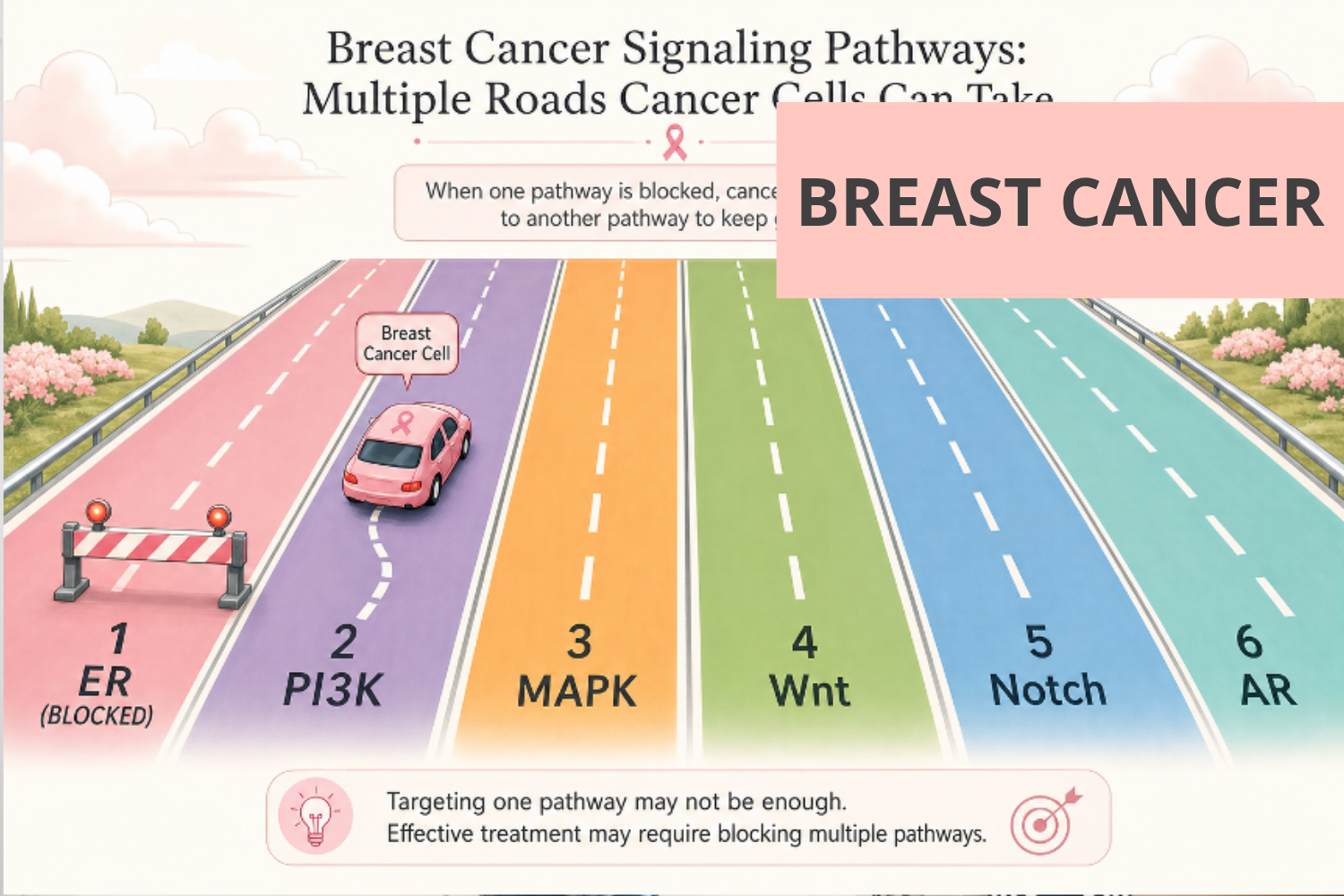
Breast Cancer Doesn't Just Grow Through Estrogen: The Other Pathways No One Tells Women About (Part 1)
Every week, I hear from women who have been told some version of the same sentence:
"Your cancer was ER-positive, so estrogen caused it."
"You can never go near estrogen again."
"Stay on this anti-estrogen drug for the next five, ten, or fifteen years, or your cancer will come back."
I understand the fear behind those statements. I really do. But the more I read the science, the more I see that this story is incomplete. And women deserve the full story.
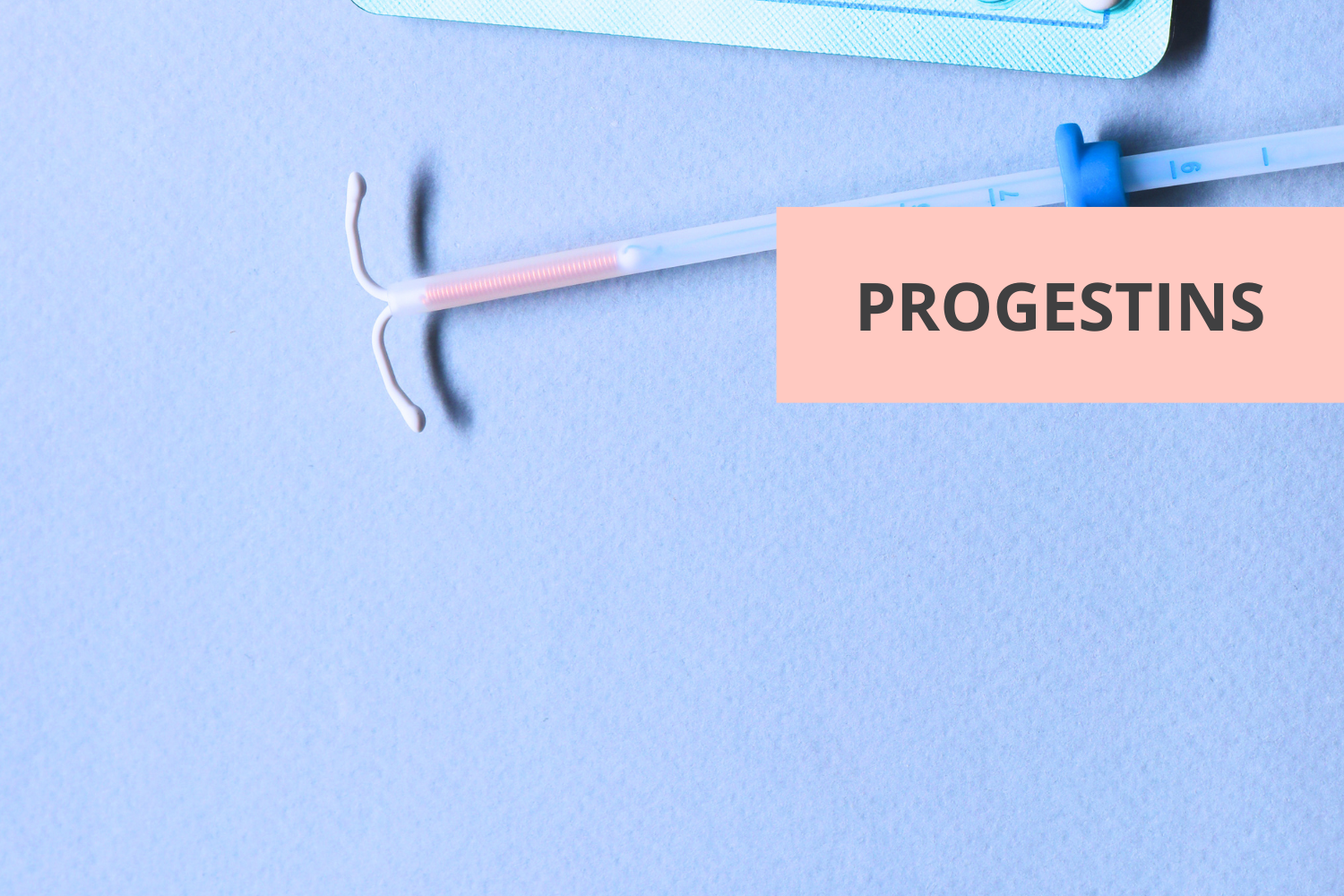
Why Not All Progestins Are Created Equal — And Why I Am Cautious About the Pill and the Hormonal IUD
If you have been told that "the pill is safe," or that the hormonal IUD is just a tiny, local dose, you are not alone. Most women hear some version of this. And for some women, the pill or the IUD really may be the right tool. But there is a longer conversation that does not always make it into the visit.

The Truth About Estrogen, Breast Cancer, and Hormone Therapy: What the Latest Research Reveals
No one knows for sure what causes breast cancer to develop, although cancer stem cells (a kind of cell that has nothing to do with estrogen) are thought to play a role. Cancer causes are complex and related to many issues including inflammation, stress, exposure to radiation, viruses, chemicals, and other factors.

Why Progesterone Deserves More Respect
If you've ever been told that progesterone “doesn’t matter” unless you have a uterus… or that your symptoms after starting progesterone HRT must mean “your dose is too high”… or that transdermal progesterone doesn’t work—then this article is for you.

Hormones & Breast Cancer: What’s Fact, What’s Fiction?
If you’ve ever thought about hormone therapy but immediately felt a wave of fear—because you were told it causes cancer—you’re not alone. One of the most common things I hear from women is: “I was told I can’t do hormones because of breast cancer,” Or, “My doctor said hormones are dangerous—especially with my family history.”

Estrogen Metabolites: What They Are, What They Mean, and What You Should Know
You’ve probably heard people talk about estrogen like it’s either the hero or the villain when it comes to women’s health, especially breast cancer. The truth is, this area of women’s health is full of complexity, outdated research, and evolving science. But it’s also important. Because the way your body breaks down estrogen—your estrogen metabolism—can influence everything from mood and energy to long-term risks like breast cancer.

The History of Breast Cancer Treatments and the Misguided War on Estrogen
If you’re going through perimenopause or menopause, you’ve probably heard conflicting messages about estrogen—some that spark curiosity and others that fuel fear. It’s no wonder many women feel uncertain about hormone replacement therapy (HRT), especially if they have a personal or family history of breast cancer. But let’s look at how the “war on estrogen” came to be and why a more nuanced understanding can make all the difference.
Search the Blog
- 1-MINUTE READ 2
- BREAST CANCER 5
- BREAST HEALTH 10
- CARDIOVASCULAR HEALTH 2
- DUAVEE 1
- ESTROGEN 10
- GENETICS 1
- GUT ISSUES 2
- HEALTHY LIFESTYLE 11
- HORMONE REPLACEMENT THERAPY 8
- HORMONE TESTING 4
- HORMONES 17
- HRT 2
- INTERVIEW 4
- MENOPAUSE 19
- MENOPAUSE SYMPTOMS 14
- NUTRITION 9
- PEPTIDES 3
- PERIMENOPAUSE 16
- PERIOD HEALTH 4
- PROGESTERONE 10
- PROGESTINS 1
- SKINCARE 1
- SLEEP 1
- TESTOSTERONE 2
- THE BIRTH CONTROL PILL 2
Wondering what to expect during perimenopause and menopause?
Download the FREE Pausal Timeline so that you know what to expect during the perimenopausal and menopausal years.
And receive The Peri to Menopause Monthly Round-Up —a newsletter for busy pausal women